

Digital Innovation with Lego Education – Building AI Literacy Through Creativity and Collaboration
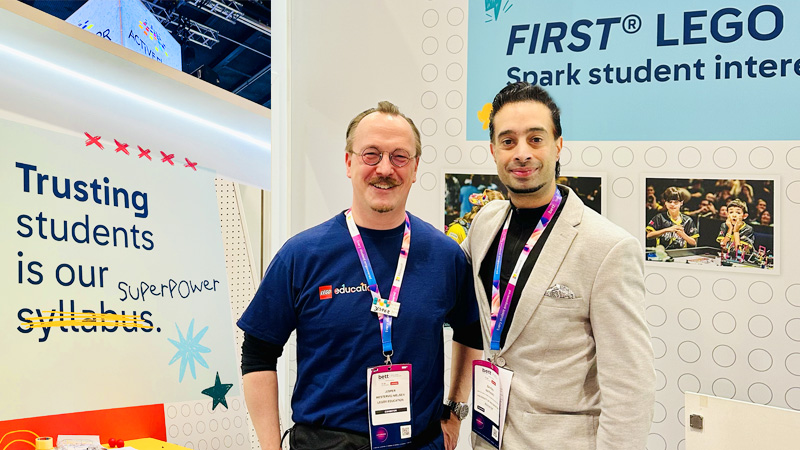
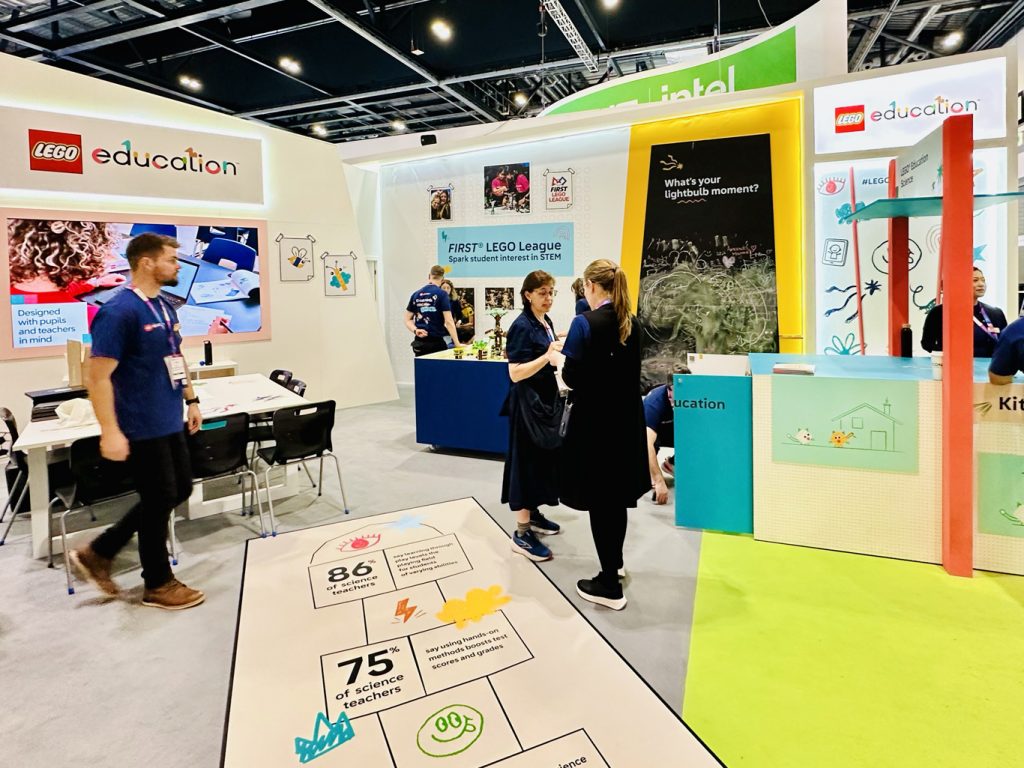
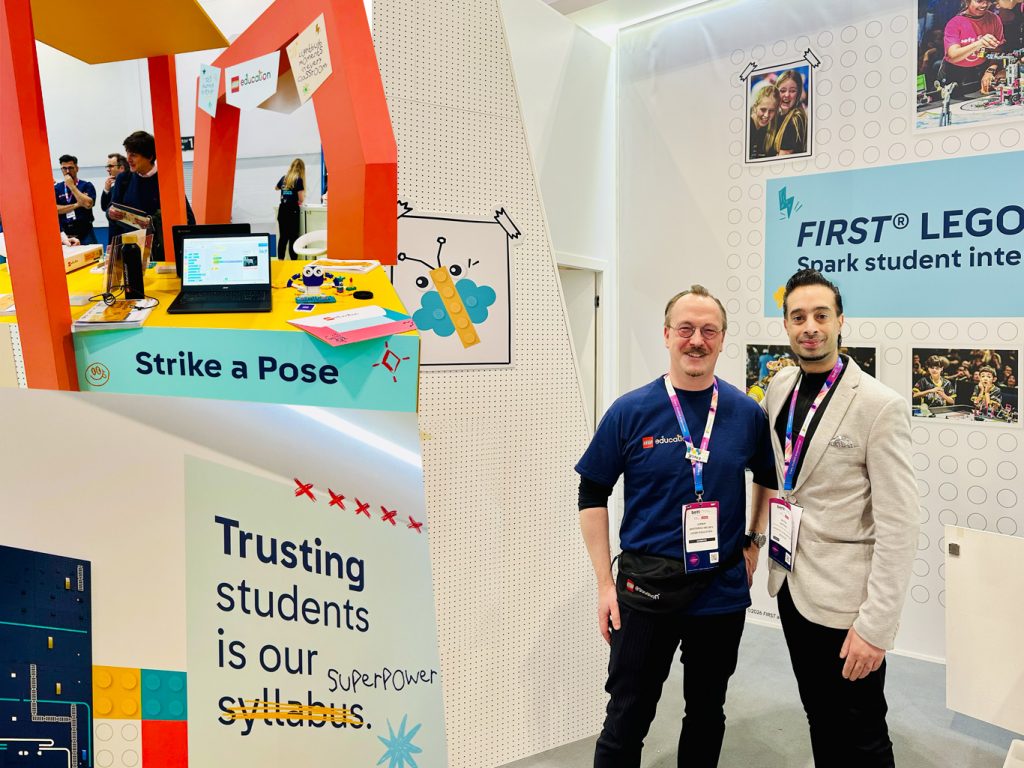
We had the honour of meeting some of the inspiring team behind LEGO Education at BETT London 2026. Their showcase highlighted a wave of new STEAM, STEM and AI-focused products, demonstrating how these tools integrate into a compelling and cohesive learning ecosystem designed to support creativity, experimentation and problem-solving.
LEGO Education’s presence at BETT reflected a growing sector focus on how playful, hands-on learning can support digital literacy and artificial intelligence education in meaningful and accessible ways.
Rethinking AI Education
A standout moment from the event was the LEGO Education keynote, aimed at educators and leaders looking to better understand both the complexities and opportunities surrounding the teaching of AI concepts to students.
The keynote was delivered by Andrew Sliwinski, Head of Product Experience at LEGO Education. His talk focused on how educators can build AI literacy while encouraging creativity and critical thinking through a child-first, hands-on learning approach. Central to this philosophy is empowering learners to engage with AI technologies responsibly, confidently, and with curiosity.
Sliwinski emphasised that AI education should prioritise understanding how systems work, rather than simply teaching students how to operate tools. As he explained:
“AI literacy shouldn’t be about teaching children how to use a ‘magic box’. It should be about handing children a screwdriver to take the magic box apart and build things from the pieces.”
This perspective strongly resonated with ongoing conversations across the education sector. Increasingly, educators report that while students approach AI tools with confidence, they often lack a deeper understanding of the concepts that underpin AI systems. LEGO Education’s approach seeks to bridge this gap by encouraging exploration, experimentation, and creative construction.
Learning Through Practice
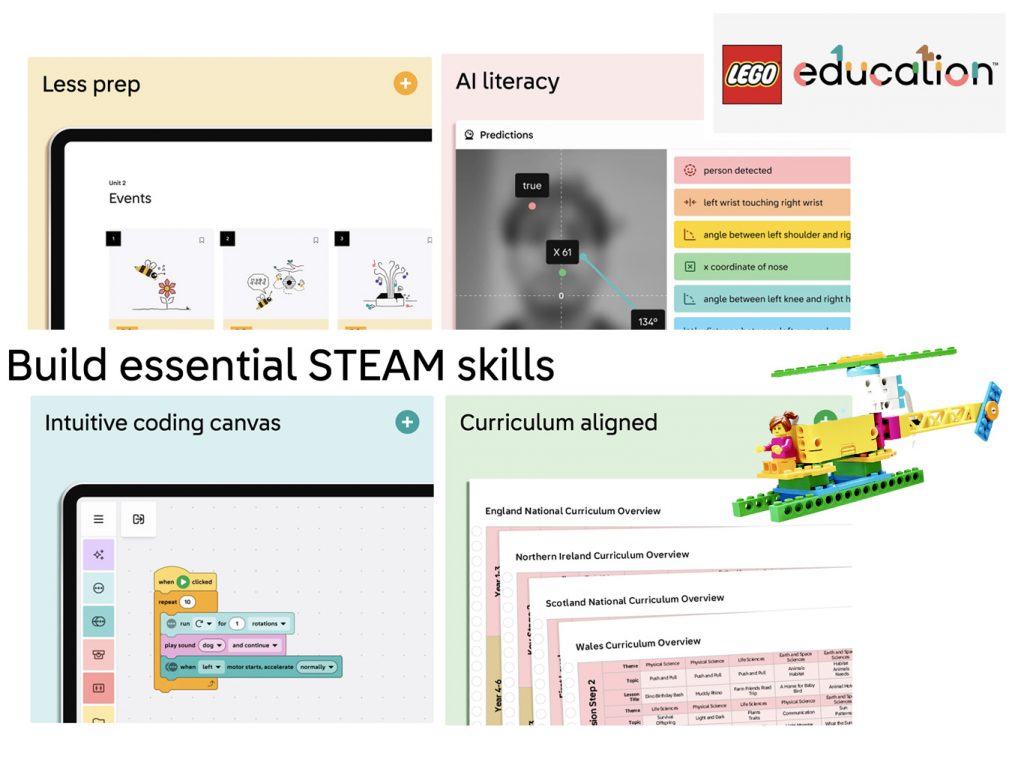
The LEGO philosophy of learning through practice was evident throughout the showcase. Their maker-mindset approach supports broad STEAM learning, with coding and computational thinking embedded through engaging, tactile experiences.
The ecosystem itself was particularly impressive.
From the intuitive interface design to the seamless integration between hardware and software, the tools demonstrated a clear focus on accessibility and user experience. The systems felt thoughtfully designed to support both educators and learners, lowering technical barriers while maintaining depth and flexibility.
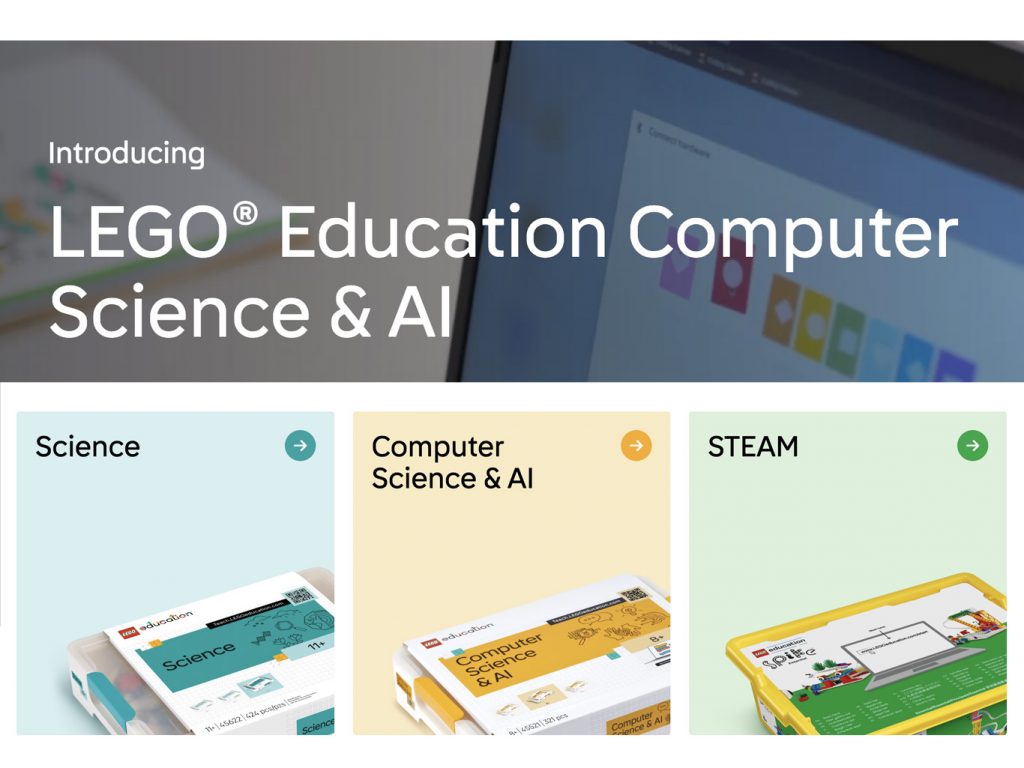
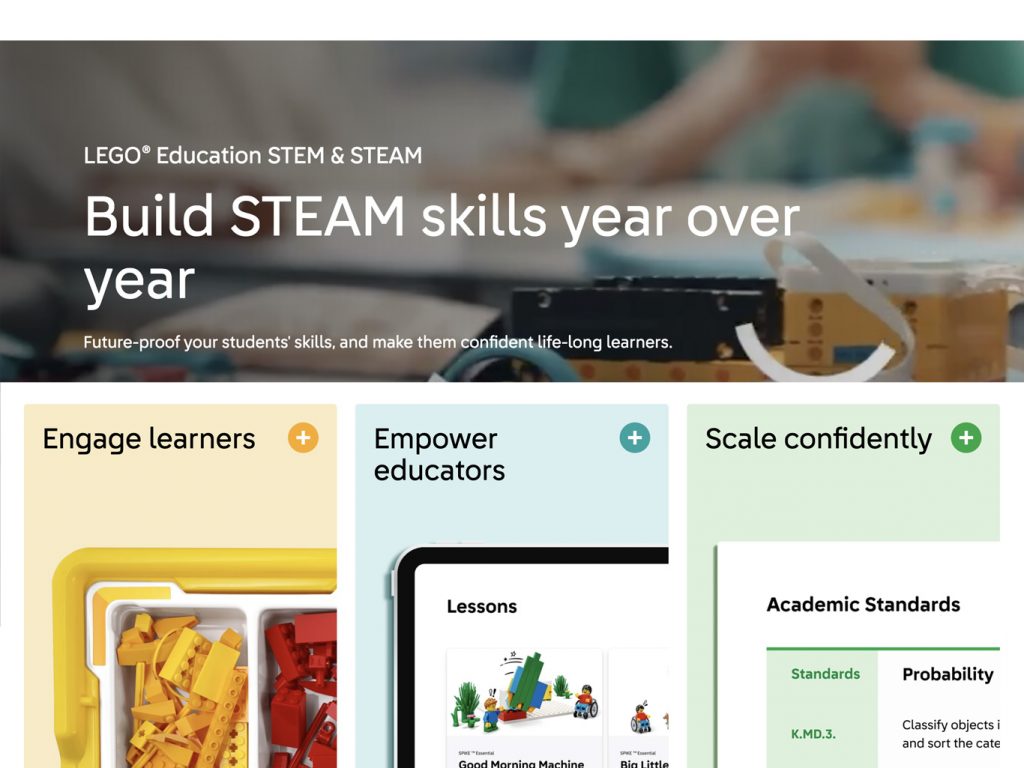
One particularly striking demonstration involved gesture-based controls communicating directly with robotics systems. Observing learners build, assemble, and code physical models showcased how abstract digital concepts can be translated into tangible learning experiences. The interaction between physical construction and digital programming was remarkably fluid.
The experience felt reminiscent of MIT Scratch in its emphasis on creative coding and accessibility, but presented in a more polished and professionally integrated environment that aligns closely with contemporary classroom needs.
The Influence Behind the Innovation
Learning more about Andrew Sliwinski’s background added further context to LEGO Education’s direction. His career spans design, engineering, education and product innovation – disciplines that closely reflect the interdisciplinary skillsets increasingly valued within higher education and creative technology industries.
Sliwinski’s connection to the MIT Media Lab, alongside his role as co-director of Scratch, positions him as a key figure in the development of modern creative coding and STEAM education. This influence is clearly visible in LEGO Education’s current trajectory, particularly in how their products support learners in developing both technical and creative AI literacy skills.
Why It Matters for Higher Education
While LEGO Education traditionally focuses on school-age learners, the pedagogical principles underpinning their work hold strong relevance for higher education. The emphasis on experiential learning, collaborative problem-solving, and interdisciplinary skill development mirrors the competencies universities increasingly aim to cultivate in graduates.
The integration of physical making with digital coding provides valuable insight into how institutions might approach teaching complex technological concepts in more accessible and engaging ways. As AI continues to shape creative industries, education, and professional practice, fostering curiosity-driven and hands-on learning approaches may play a critical role in preparing students for rapidly evolving digital landscapes.
Final Reflections
LEGO Education’s presence at BETT 2026 offered a powerful reminder that technology education is most effective when it remains creative, exploratory and human-centred. Their ecosystem demonstrates how playful learning environments can support serious digital and AI literacy development while maintaining accessibility and engagement.
As conversations around AI in education continue to evolve, LEGO Education’s approach suggests that the future of digital literacy may lie not simply in learning how to use technology, but in understanding how to question, build, and reimagine it.
My Lego people – we salute you! The work you are doing is impactful, pioneering and simply changing the world – one tiny brick by brick!
– written by Savraj – I am human you may see typos!